Oct 8, 2023

[Photography] 15 Ways to Find Photography Inspiration When You Feel Stuck

The post 15 Ways to Find Photography Inspiration When You Feel Stuck appeared first on Digital Photography School. It was authored by Karthika Gupta.

How to find photographic inspiration

Photography is an incredible hobby, but it can also be draining, difficult, and – at times – a real slog. If you’re feeling burnt out, you may need to take a break, or you might just require a bit of extra inspiration.

In this article, I share my top 15 favorite methods to gain photographic inspiration when you’re in a creative rut. Not every approach will work for every photographer, but I encourage you to read through the list and try a few techniques that appeal to you. By the time you’re done, with a little luck, you’ll be excited to head out with your camera and take photos once again.

Let’s get started!

1. Draw up a plan for your success

Ways to find photography inspiration

As with any other professional endeavor, documenting your photography goals is a great idea. In fact, just voicing and acknowledging what is in your head is the first step toward achieving success!

So think about what you want to do photographically, and draw up a list. If you’re just starting out, limit yourself to a couple of reasonable goals (though if you’re a more experienced photographer, feel free to push yourself here – really think about what you want to achieve and the kind of photos you’d like to take over the next year or two).

Maybe you want to get comfortable shooting in Manual mode, or perhaps you want to understand how to successfully use off-camera flash. Maybe you want to get better at composition, or perhaps you want to track moving subjects effectively.

But don’t just make a list and call it a day; also spend some time determining how you’ll achieve your goals. Will you read dPS articles? Check out books on photography from the library? Take several workshops? Watch some online courses? Spend an hour each day practicing with your camera?

No matter the goal, it’s easier to achieve when you have an actionable plan to help you get there. And if you want to boost your chances of following through, take this a step further by actually writing down the steps needed to achieve the results you’re after!

2. Look at work from your favorite photographers

Ways to find photography inspiration

Taking a scroll through other photographers’ portfolios can be wildly helpful when dealing with a creative rut! Platforms like Instagram, 500px, Flickr, and Facebook are bursting with amazing images, and by spending some time looking at the shots that you love, you can discover techniques and approaches to incorporate into your own shots.

Now, I’m not saying you should outright copy what others are doing. It’s about allowing yourself to learn from the works that resonate with you. So when a particular image grabs you, take a moment and ask yourself: What is it about the photograph that’s so appealing? Is it the composition, the color grading, the subject?

Ways to find photography inspiration

And once you’ve done your deep dive, don’t just close the tab and move on with your day. Take those elements that you found so inspiring and experiment with them during your next shoot!

3. Read about photography’s history

Ways to find photography inspiration

Think history is a snore-fest? Think again! Diving into the history of photography is actually wildly exciting. From the earliest daguerreotypes to the advent of digital photography, each era came with a novel way of capturing the world, and understanding this evolution can spark your imagination and give you a fresh perspective on what’s possible and what photography is all about.

You might discover, for instance, that techniques or styles you consider groundbreaking today were actually pioneered decades ago. Ever heard of “Pictorialism”? This early 20th-century movement focused on elevating photography to an art form by playing with soft focus and painterly lighting – techniques that are making a comeback in some modern styles.

Even more fascinating is how technological constraints shaped artistic expression. Back in the days of film, photographers had to be incredibly thoughtful about each shot, as film was costly and limited. This “limitation” led to some of the most iconic images we know today. Imagine bringing that level of consideration into your work now.

And what about the social and cultural impact? Photography has been a crucial tool for documentation, activism, and storytelling. Recognizing this wider context can deepen your understanding of why you shoot and what you aim to convey, influencing your work in powerful ways.

4. Work on personal projects

While it’s great to be busy and earn a living doing what you love, it can also start to drain your creative spirit. So if you’re a professional shooter, don’t just work on your money-making projects; give yourself permission to take on a passion project (i.e., a personal project) or two.

Find photography inspiration
I captured this image as part of a personal exercise that focused on finding monochromatic patterns and frames.

See this project as a way for you to fall back in love with photography without any pressure or expectations. For instance, you might:

  • Photograph sunrises
  • Create a portfolio of abstract nature scenes
  • Capture your local sports team
  • Document your favorite forest

Note that your personal project can last for a few weeks, or it can take years. Either is fine, but do make sure the topic is near and dear to your heart; otherwise, you may find yourself getting very bored very quickly, which is the opposite of what you want.

Find photography inspiration
Another image as part of my monochrome project.

Also, you don’t need to be a professional photographer to try out this strategy for photographic inspiration. Even if you’re a hobbyist, pursuing a dedicated project can be a great way to regain your motivation.

One more thing: Once you pick a project, make sure you give it the time it deserves (even if you’re busy with other work). If you put in real effort, you’re more likely to get real rewards!

5. Check out classic photo books

Ways to find photography inspiration

Before the internet, there were photo books. These timeless compilations showcase the work of masters whose contributions have stood the test of time. Names like Walker Evans, Edward Weston, Paul Strand, and Minor White might not mean much to you now, but crack open one of their books, and you’re in for an enlightening experience.

What sets these classics apart? It’s not just the age of the photographs; it’s the enduring relevance of their compositions, techniques, and subjects. Studying these works offers you a chance to break out of the current trends and standards, challenging you to think differently about your own shots.

For instance, have you ever noticed how modern photography often leans heavily on vivid colors? Some of the greats, like Ansel Adams, worked primarily in black and white. Exploring their grayscale worlds can open your eyes to the nuances of light and shadow, giving you a whole new toolkit for your own work.

And don’t just skim through these books. Really look at each photograph. Think about the choices the photographer made. How did they use light? What’s in focus, and why? This deeper engagement can be a source of invaluable inspiration.

So next time you’re in a creative rut, take a detour to your local bookstore or library and head to the photography section. You’ll find a world of inspiration that predates hashtags and filters!

6. Go shoot without an agenda

Ways to find photography inspiration

Working with a purpose isn’t necessarily a bad thing, but when you have certain types of images in mind, it’s easy to develop expectations, and these can lead to pressure, stress, and frustration.

That’s why I highly recommend spending some time photographing without an agenda. Just pick up a camera – whether it’s a DSLR, mirrorless model, or even your smartphone – and photograph anything. It can be the interior of your home, your backyard, your neighborhood, or the nearest city. Just pick something convenient and do some shooting.

You don’t even need to put much thought into it. Sometimes, it’s just the act of pressing the shutter that can provide the right amount of stress release. And if it helps, feel free to delete the images at the end. The whole point is to just enjoy the act of photography without the need to create a perfect frame.

7. Photograph with a tripod
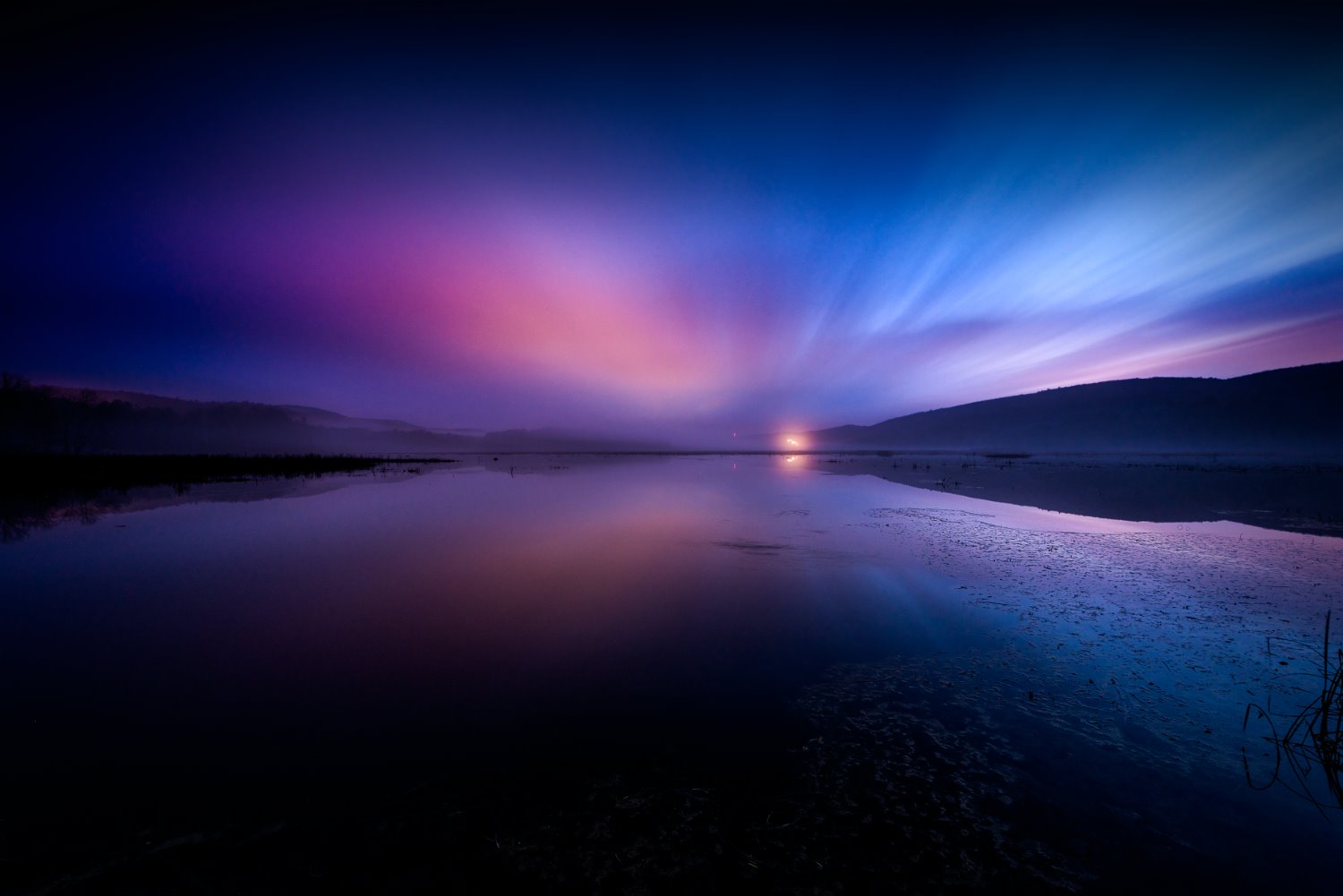
Ways to find photography inspiration

For many photographers, tripods are an annoyance – often relegated to the back of the closet or never purchased in the first place. But hear me out, because this unassuming piece of equipment can be a great way to revitalize your creative energy.

You see, when you use a tripod, you’re forced to slow down and pay attention to details that you might otherwise overlook in the quest for that next stunning shot. Setting up a tripod is slow, deliberate work – which means you have the time to adjust every parameter carefully, to think about the best focal length, to fine-tune your composition. In a way, working with a tripod gives you the chance to reconnect with the very act of photographing.

Even if you like to do fast-paced photography – on the streets or of wildlife, for instance – a tripod can help direct your focus. You’ll pay more attention to timing, to the movement of your subjects, to the changing light conditions.

One note, however: Make sure you use a tripod that fits your needs. If you’re into travel photography, you might go for something lightweight yet sturdy. If you shoot in rugged conditions, you’ll want a tripod that can stand its ground. While tripods can be perfect for regaining inspiration, it’s important that you don’t needlessly restrict yourself by picking the wrong model.

8. Do something creative (that’s not photography)

Ways to find photography inspiration

Photographic inspiration can be found in a variety of ways – and sometimes, the best inspiration comes from non-photographic activities. That’s why I encourage you to try something that’s creative, but that’s not artistic.

For instance, you might cook a meal from scratch, do some knitting, enjoy gardening in your backyard, write a story, do some journaling, or even just go for a walk outside and study the different leaf patterns you see.

Of course, there’s nothing wrong with working on an alternative artistic pursuit, such as painting or drawing (and this can be an effective way to gain new inspiration, too). But if you’re feeling burnt out, distancing yourself from all things artistic might be a good idea.

Whatever you choose, let it flow without structure or planning. Use it as a means to release the creative energy building up inside. Be kind to yourself, and just give yourself some time to take a break from photography; the inspiration will return in time.

9. Try a different photography genre

Ways to find photography inspiration

If you’ve been spending months – or years – capturing the same subject over and over again, why not jump ship? I don’t mean that you should make a permanent change, of course, but a little genre-hopping can do wonders for your creativity. If you’re a die-hard portrait photographer, consider shooting landscapes or architecture for a while. If street photography is your jam, try some macro or cityscapes.

Switching genres is often like learning a new language. Initially, it feels uncomfortable, but as you get the hang of it, you start to see patterns and gain new insights into how language works. For instance, if you move from portraits to landscapes, you may begin to appreciate the subtleties of natural light in a new way. If you transition from street scenes to macro shots, you may find yourself engrossed in the minute details of the world.

And here’s the kicker: The skills and insights you pick up in one genre can often be transferred back to your primary area of interest. Those natural lighting techniques might inspire a unique headshot in your next portrait session. Or the way you frame a cityscape could add a new layer to your street photography.

So don’t confine yourself to a single box. Break free, try something new, and see if you can’t reignite that passion!

10. Complete a self-challenge

Find photography inspiration

This approach is similar to the personal project technique I shared above, except it’s a lot more constrained. The idea is to set yourself specific rules, and then use them to direct your shooting. You can always invent your own self-challenge, though here are a few popular ones:

  • Take a self-portrait every day
  • Capture a set of photos that convey the essence of each week (for a whole year)
  • Photograph a single color for a week
  • Photograph your daily meals
  • Take one shot a day for a month
  • Capture every sunrise and sunset for a month

Whatever self-challenge you choose, document and work on it. Perhaps even join or start a group online where others can participate with you. (As I discuss below, working with other photographers can motivate you further and help keep the inspiration alive!)

One tip: If you start a self-challenge and you struggle from the get-go, that might be a sign you should try something else. There’s nothing wrong with pushing yourself, but because challenges are nearly always tough to complete, it’s important that you genuinely like what you’re doing.

11. Spend time photographing with others

Ways to find photography inspiration

Photography can often feel like a solo journey, but it doesn’t have to be. Photo walks and photography meetups are very popular, and they’re a great place to talk with others who are passionate about the same kind of thing! Plus, photo walks and meetups are more than social events; they’re a great place to develop skills and find photographic inspiration. Working side by side with other photographers can offer fresh perspectives that break you out of your creative rut.

You see, there’s a unique energy that appears when photographers gather. You’ll find people who share your particular genre interests, and you’ll find people who don’t. This medley of viewpoints can be as inspiring as any world-class photo book or historic image.

And we shouldn’t forget the power of immediate feedback. Imagine taking a shot and then instantly sharing your excitement or doubts with someone who gets it, someone who speaks the nuanced language of apertures, compositions, and light. It’s the kind of conversation that can spark new ideas and help you see the world – and your craft – differently.

And if big meetups aren’t your thing? No worries. Even just having a buddy to shoot with on weekends can offer a regular dose of inspiration. You can bounce ideas off each other, critique each other’s work in real time, and collectively aim for better shots.

12. Go on a photography trip

Ways to find photography inspiration

We’ve all been there, shooting the same old cityscapes or meandering through familiar woods, feeling like we’re just recycling our past work. So why not venture far afield? A photography trip can breathe new life into your portfolio and, most importantly, your inspiration.

Suppose you’re a landscape photographer who’s been capturing forests for years. How about heading up north to capture the snowy tundra? The shift from green and brown to stunning whites and icy blues could be the jolt your creativity needs. Or maybe you’re a street photographer, routinely capturing the hustle of New York City. Consider making your way to smaller, quainter coastal towns.

You don’t have to cross oceans for this (although if you can, go for it!). Even a neighboring town, a nearby state park, or a historic site can make a difference. The key is to explore new environments that challenge you to see the world in a new light.

Of course, before you go, do some research. Get to know the area, look up potential shoot locations, and plan your days to maximize the time you spend shooting. Once you’re there, the change of scenery will likely trigger new ways to consider compositions, lighting, and subjects.

When you come back, you’ll likely find that the trip has given you not just photos, but a fresh enthusiasm for photographing locations that are closer to home.

13. Look through your photo archives

Ways to find photography inspiration

If you’ve been doing photography for a while, you’ve undoubtedly amassed a large collection of shots – but when was the last time you really dug into these files? Your photographic archive can be a goldmine of inspiration. You might stumble across a theme you started but never finished or a style you experimented with but dropped. And now that you’re feeling uninspired by your existing work, it might be the perfect time to revisit and possibly complete those incomplete stories.

Start by taking some time to systematically go through your photos, ideally going back a few years. Don’t rush. Let yourself absorb the work you’ve done and reflect on your growth and changes in style.

What should you be looking for? Perhaps an old but interesting technique or an unfinished series that could be turned into a portfolio piece. Maybe a type of photography you haven’t done in a while.

Then, when you find something inspiring, think of ways to take your old ideas to new heights. Maybe modernize them with skills you’ve acquired since then or combine old and new approaches to create something entirely different.

14. Work on your editing skills

Ways to find photography inspiration

If you’ve been stuck in a creative rut, you’ve likely thought about stepping away from photography for a bit. It makes sense: When you’re burnt out, a break can make a big difference. But you don’t have to drop photography entirely. Instead, you can focus on skills that don’t require a camera, such as editing.

Editing is far more than a final coat of paint; it’s where your images come alive and take form. And by learning new editing techniques, you may find yourself inspired by all of the photographic possibilities – the way you can combine editing and photography to create breathtaking results.

Even if you’re well-versed in the basics – cropping, adjusting exposure and color – you might be missing out on some of the most effective professional techniques. Color grading, blending modes, masking, dodging and burning; they’re all advanced approaches and tools that really can revolutionize your portfolio.

Developing your editing skills might seem difficult, but a plethora of online tutorials can guide you through these processes. YouTube is full of skilled editors sharing their favorite tricks. And you can find courses that go more in-depth, teaching you how to harness the full potential of your editing software.

So, instead of walking away from photography, channel your energy into mastering post-processing techniques. You may find that by improving your editing skills, you’ll view your past and future work with new enthusiasm.

15. Take a photography course

Ways to find photography inspiration

Sometimes, the best way to jumpstart your creativity is by learning something new. And what better way to do that than by enrolling in a photography course?

Structured learning helps you master new skills quickly, whether you’re a beginner seeking foundational knowledge or a seasoned pro craving advanced techniques. And the options are plentiful; there are literally thousands of online courses that let you learn at your own pace, right from the comfort of your home.

(Of course, if you prefer a hands-on experience, you can also explore workshops or even take classes at your local community college.)

Ways to find photography inspiration

Picking the right course depends on your needs. Are you into wildlife photography? There’s a course for that. Portraits more your style? Plenty of options there, too. You’ll find specialized courses covering topics like studio lighting, macro photography, post-processing, bird photography, and so much more. The world of photography education is incredibly vast and really does offer something for everyone.

At the end of the day, a new skill can push you to see – and photograph – the world in new ways. So don’t hesitate. Dive into a course and watch how quickly you regain that photographic inspiration!

Ways to find photography inspiration: final words

Ways to find photography inspiration

If you’re feeling uninspired, dejected, or just plain burnt out, I hope this article has been helpful. With a few simple techniques and a conscious effort to change your mindset, you can come back more inspired and more motivated than ever, ready to explore all these wonderful facets of an art form that has so many ardent fans all over the world!

So pick one or more of the methods for inspiration I’ve shared. Then really commit to it. If you do a self-challenge, give it your all. If you take on a project, block out time to complete it. And if you take a break from photography and do something else creative, put real effort into that, too!

Now over to you:

How do you plan to feel motivated again? Do you have any techniques for gaining inspiration that I didn’t cover in this article? Share your thoughts in the comments below!

The post 15 Ways to Find Photography Inspiration When You Feel Stuck appeared first on Digital Photography School. It was authored by Karthika Gupta.


it's from Digital Photography School https://ift.tt/tKI9Cea
via Karthika Gupta

Oct 5, 2023

[Photography] 50mm Photography: Everything You Need to Know

The post 50mm Photography: Everything You Need to Know appeared first on Digital Photography School. It was authored by Lily Sawyer.

A guide to 50mm photography

Pretty much every professional photographer has has done 50mm photography at some point in their lives – and many of them still use their 50mm glass on a regular basis. In the industry, we often affectionately call this lens the “nifty fifty,” and for good reason.

Why? Because 50mm lenses are incredibly versatile. They can capture great photos in tons of situations, and they offer plenty of other amazing benefits, too. I myself use a 50mm lens all the time, and in this article, I share everything you need to know about 50mm photography, including:

  • Key 50mm lens features
  • What genres of photography are best suited by a 50mm focal length
  • My top reasons for doing 50mm photography

Let’s dive right in.

What is a 50mm lens?

50mm photography and 50mm lenses

To start, it’s a prime lens, which means it has a fixed focal length. You can’t zoom in or out; what you see is what you get. But trust me, that’s a good thing. It forces you to engage more with your surroundings, making you move to find the perfect shot.

The 50mm lens is often dubbed the “standard lens” because its perspective closely resembles that of human vision. There’s a natural feel to the images it captures. The view is neither distorted nor overly compressed; it’s just like how you’d see the world with your own eyes.

It’s been around for decades, and it’s often the first lens people buy after they decide to upgrade from their kit lens. Why? Because it’s incredibly accessible. Most 50mm lenses are affordable, especially compared to other prime lenses with similar image quality. This makes it an excellent starting point for amateur photographers and a reliable choice for professionals.

Now, the 50mm lens isn’t just for newbies. Even seasoned photographers swear by it. They’ll often have at least one 50mm lens in their kit because of its unmatched combination of quality, portability, and versatility. Whether you’re a beginner or an expert, the 50mm lens can be your go-to for a broad range of photography styles and scenarios.

Reasons to do 50mm photography

You’ve likely heard photographers sing praises of the 50mm lens. But why all the love?

Well, the reasons are aplenty. This section will give you a glimpse of what makes the 50mm lens a prized possession in a photographer’s arsenal. We’ll delve into how they excel in creating beautiful bokeh, perform admirably in low-light conditions, and offer incredible versatility. Each of these aspects makes the 50mm a lens you won’t regret adding to your camera bag.

1. 50mm lenses are shockingly cheap (yet the quality is great!)

Most lenses – especially the latest mirrorless lenses from Canon, Nikon, and Sony – cost a pretty penny. You can expect to pay upwards of $500 for each lens you buy, and if you go for wide-aperture lenses, you’ll pay a lot more.

50mm photography and 50mm lenses

The exception, however, is the humble 50mm lens. Have you looked at the latest 50mm f/1.8 prices? At the time of writing:

And despite the low prices, these lenses are impressively capable. You’ll get decently sharp photos, especially if you shoot at f/2.8 and narrower, not to mention all the other 50mm photography benefits I discuss throughout this article!

One caveat: While 50mm f/1.8 lenses tend to be insanely cheap, you’ll pay more for 50mm f/1.4 and 50mm f/1.2 lenses. But many shooters, especially beginners, don’t really need these lenses; in my experience, they’ll be perfectly happy with an excellent 50mm f/1.8 model.

2. 50mm lenses produce gorgeous bokeh

50mm photography and 50mm lenses

The first thing to catch your eye when shooting with a 50mm lens is often the beautiful, dreamy background blur, known as bokeh. This is not accidental. 50mm lenses are usually designed with wide maximum apertures. Even a budget-friendly 50mm can come with an f/1.8 or an f/2.8 aperture.

A wide aperture is the key to achieving that professional-looking shallow depth of field. When you’re shooting with your aperture wide open, your subject stays sharp and focused, but the background melts into a soft blur. This adds a certain magic to your photos, making them pop and guiding the viewer’s eye directly to the subject.

You’ll find that this bokeh effect is especially compelling in portrait and product photography. A softly blurred background elevates a simple portrait into a poignant capture of character. The same goes for product photos. That tube of lipstick or handmade necklace becomes the uncontested star of the show against a gentle haze of colors in the backdrop.

But bokeh isn’t just for portraits and still life. Imagine a dew-kissed spider web with each droplet crisp and clear, while the garden in the background takes on a painterly quality. Or a bustling street scene where the subject’s face is crystal clear, but the surrounding crowd is an impressionistic blur. The creative possibilities are endless, and that’s just scratching the surface of what a 50mm lens can do for you.

3. 50mm lenses offer impressive close-up capabilities

50mm photography and 50mm lenses

No, most 50mm lenses don’t offer true macro focusing, but they can get you pretty darn close to your subject. Standard 50mm glass generally offers enough magnification to capture gorgeous flower photos, insect images, still life shots, and more. And you can capture amazing background bokeh by getting up close and widening that aperture to f/1.4 or f/1.8!

Pro tip: If you do decide to shoot at f/1.4 or f/1.8, I’d recommend focusing manually. That way, you can pinpoint the exact portion of the image you want sharp, while the rest is blurred into oblivion. Make sense?

And if you want to focus even closer using your 50mm lens, you can always try extension tubes, close-up filters, or use the reverse-lens macro technique.

4. 50mm lenses are great for low-light photography

50mm photography and 50mm lenses

As I mentioned above, 50mm lenses tend to boast a maximum aperture of at least f/1.8 (and more expensive versions widen to f/1.4 or even f/1.2).

Such a wide maximum aperture comes with a few perks, including enhanced background blur and beautiful shallow depth of field effects – yet the biggest benefit for many photographers is the improved low-light prowess.

You see, the wider the lens’s aperture, the more light it lets in, and the better it can handle scenes with weak illumination. Specifically, a wide maximum aperture will let you create a bright, detailed exposure at night and indoors, without forcing you to lower the shutter speed to a ridiculous level or jack up your ISO to noise-inducing heights.

Here are just a few scenarios where a 50mm lens can be a lifesaver:

  • When shooting candid portraits indoors
  • When shooting on the city streets at night
  • When shooting nighttime events
  • When shooting indoor concerts and productions

Note that I’m talking about handheld photography. It’s possible to work with any lens in low light if you have a sturdy tripod – but handholding does offer far greater flexibility, especially if you want to photograph at a fast pace. Plus, even if you have a tripod, you’ll need a reasonably fast shutter speed to capture moving subjects.

Will you be able to handhold or shoot moving subjects in pitch-black conditions? No – but as long as you have some sort of nearby illumination, such as a street light, you’ll generally be fine!

5. 50mm lenses are highly portable

50mm photography and 50mm lenses

Here’s yet another reason why I love 50mm lenses: They’re incredibly small and they’re lightweight, so you can take one pretty much anywhere without issue.

For instance, you can pack a 50mm lens away in a small camera bag and still have plenty of room for cameras, accessories, and other lenses. You can also mount a 50mm lens on your camera, then carry it around as you head out with your kids, go on a street photography walk, and more.

Plenty of travel photographers keep a 50mm lens as their primary glass, and many street photographers use a 50mm lens almost exclusively (including famous street shooters like Henri Cartier-Bresson!).

You can also shoot in certain public areas (such as sports stadiums) with a 50mm lens – whereas a long zoom lens may get you denied entry. And if you like to go for long walks or hikes, a 50mm lens won’t start to feel like a brick after a few hours.

50mm photography and 50mm lenses

Bottom line: The 50mm lens is the most inconspicuous, travel-ready lens you can buy. If you want a lens for walkaround photography, if you plan to travel frequently, or you simply like the idea of keeping a barely noticeable lens on your camera, then it’s a great pick!

6. 50mm lenses are extraordinarily versatile

If you haven’t picked up on it yet, 50mm lenses are the Swiss Army knives of the photography world. They’re incredibly adaptable, fitting perfectly into a multitude of shooting situations. Portraits are the first genre that usually comes to mind, and rightly so.

A 50mm lens excels at capturing stunning headshots with a beautifully blurred background. But don’t stop there. You can also pull back for an environmental portrait that includes a subject in their natural habitat, whether it’s a bustling kitchen or a serene meadow.

50mm photography and 50mm lenses

Street photography is another arena where the 50mm lens shines. The natural field of view and quick focus allow you to capture candid moments as they unfold. With the lens’s unobtrusive size, you can blend into the crowd, capturing life as it happens without drawing attention to yourself.

Lastly, let’s not forget nature and landscape photography. While wide-angle lenses are often the go-to for capturing sweeping vistas, a 50mm lens allows you to focus on the details. Think close-ups of flowers, textured bark, or the intricate patterns of a leaf.

50mm photography and 50mm lenses

The adaptability doesn’t stop there. Planning a trip? Pack a 50mm lens and you’re good for everything from street scenes to nature close-ups. It’s the one lens that you can count on to meet your creative needs in just about any scenario.

What types of photography can you do at 50mm?

So, you’ve heard about the 50mm lens, but what can you actually photograph with it? Good news: its versatility will blow you away.

Firstly, let’s talk about portrait photography. The 50mm lens is a favorite among portrait photographers for good reason. The focal length is incredibly flattering. It doesn’t distort facial features, and the wide aperture options help you isolate your subject from the background. It works great for both close-up shots of the face and environmental portraits. Environmental portraits capture the subject within a context, offering a more rounded depiction of their personality or lifestyle.

50mm photography and 50mm lenses

Street photography? Absolutely. With a 50mm lens, you can capture the world as your eyes see it. This is wonderful for capturing candid moments. People look natural, not distorted. Street scenes feel alive and dynamic. Plus, its compact size won’t draw attention, allowing you to capture life as it happens.

But wait, can you use it for landscapes? Definitely. While it won’t provide the sweeping vistas that wide-angle lenses can offer, it allows for a unique approach to landscape photography. It lets you focus on smaller, intimate aspects of nature: think a single mountain peak, a close-up of leaves, or a specific bend in a river. It’s about capturing the soul of a place, not just its face.

50mm photography and 50mm lenses

Event photography? Check. You’ll find the 50mm lens to be your trusted companion, whether you’re covering a wedding, a birthday, or a corporate function. The lens’s adaptability means you can switch from capturing candid moments to snapping quick portraits without missing a beat.

The best 50mm lenses for photographers

50mm photography and 50mm lenses

Decided you want a 50mm lens? Now, it’s time to choose the right one for you. Believe me, you’ve got options.

First off, let’s consider the beginner-friendly 50mm f/1.8. I can’t recommend this lens enough for those starting out. It’s incredibly affordable but doesn’t skimp on image quality. The wide f/1.8 aperture will let you practice creating dreamy bokeh and excel in low-light situations. It’s an ideal starting point and offers a good taste of what 50mm lenses can deliver.

If you’re ready to invest a little more, the 50mm f/1.4 or f/1.2 could be your next move. These lenses have even wider apertures, which means you can create an even more isolated depth of field. Simply put, if you’re diving into portrait or wedding photography, these lenses are solid gold. But keep in mind, they come with a higher price tag and can be a bit bulkier.

Don’t disregard the used market either. Often, you can find excellent 50mm lenses that are gently used and still in fantastic condition. They’ll deliver the same quality shots but at a fraction of the price. It’s worth a look.

Last but not least, consider third-party lenses. Brands like Sigma and Tamron offer 50mm options that compete with the big names. While you might trade off some features, you often gain in terms of price. It’s a trade-off that might just be worth it if you’re budget-conscious.

Here are a few of our favorites:

50mm photography: final words

By now, I hope you’re as enchanted by the 50mm lens as I am.

It’s the kind of lens that adapts to you, rather than forcing you to adapt to it. Whether you’re snapping candid street shots or crafting elegant portraits, this lens won’t let you down.

The versatility of the 50mm lens makes it a tool you can carry in almost any situation. It’s not just a piece of glass; it’s a creative partner.

So, if you’re still wondering whether to invest in a 50mm lens, let me make it easy for you: do it. The sheer flexibility and quality of shots you can get make it worth every penny.

The 50mm lens isn’t just another piece of gear; it’s a game-changer. Don’t miss out on elevating your photography to a new level of creative expression. Happy shooting!

Now over to you:

Which 50mm lens do you plan to buy? What do you plan to photograph? Share your thoughts in the comments below!

Note: This article was updated by Jaymes Dempsey in October 2023.

The post 50mm Photography: Everything You Need to Know appeared first on Digital Photography School. It was authored by Lily Sawyer.


it's from Digital Photography School https://ift.tt/zM83hiw
via Lily Sawyer

Oct 3, 2023

[Photography] 13 Composition Rules Every Photographer Should Know

The post 13 Composition Rules Every Photographer Should Know appeared first on Digital Photography School. It was authored by Elizabeth Halford.

Rules of composition everyone should learn

Struggling to create stunning compositions? I’ve been there. Composition is a tricky subject to master; some photographers spend years developing their skills with limited success.

Fortunately, creating good compositions isn’t as hard as it might seem. Artists have developed a handful of rules (guidelines, really) that allow you to create balance, flow, impact, and beauty without tons of practice.

In this article, I share my favorite 13 photography composition rules – all tried and tested methods for improving your image arrangements. So read through the article. Memorize the rules. And then watch as your photos are transformed!

1. The rule of thirds

The rule of thirds is the most famous compositional rule there is, and for good reason: It really is a great way to produce balanced, dynamic compositions, and it’s pretty easy to master. But how does it work?

The rule of thirds states that you should place your key compositional elements a third of the way into the frame. It even comes with a handy set of gridlines to help you out:

Composition rules in photography

So if you’re photographing a beach sunset scene, instead of putting the horizon line smack-dab in the middle of the frame, you’d want to place it along the upper third or lower third gridline.

Composition rules in photography

And if you’re photographing a cluster of trees in a field, instead of putting the trees in the center of the shot, you’d want to position them a third of the way from the right or left edge.

By the way, if you can position your main subject at the intersection of two gridlines (i.e., a third of the way from two image edges), you’ll get an even more powerful result.

In general, rule-of-thirds compositions feel balanced. But they feel dynamic, not static, which helps the viewer better engage with the shot. Nice, right?

2. Symmetry

Symmetry refers to areas of reflection across the frame. It’s a great way to produce powerful, in-your-face images, the kind that feature lots of tension – though you do need to be careful not to create photos that are a bit too static (see my discussion of the rule of thirds above!).

You can create vertical symmetry by including subjects that reflect across the horizontal axis, you can create horizontal symmetry by including subjects that reflect across the vertical axis, and you can create diagonal symmetry by including subjects that reflect across a diagonal. Any of these options can work, though each effect will give you a different result, so I encourage you to experiment and see what you think.

Composition rules in photography

The toughest part about using symmetry is actually finding symmetrical subjects. Bear in mind, however, that you can still create a symmetrical effect by featuring roughly – but not perfectly – symmetrical elements.

Trees, for instance, are roughly symmetrical subjects, so you might position one in the center of the frame so it divides the composition in two.

Pro tip: For the most compelling results, aim to fill the frame with your symmetrical elements. Physically get in close, or use a telephoto lens to really punch in.

Composition rules in photography

3. Layering

A photograph isn’t just a flat image; it can have depth, texture, and layers that guide the viewer’s eye. The concept of layering can elevate your photography to new dimensions – quite literally.

Composition rules in photography

First off, think of your photograph as a stage with multiple layers: the foreground, the midground, and the background. These aren’t just arbitrary divisions; they’re strategic zones where you can place different elements to create depth.

Take, for example, a beach scene. The foreground could be filled with shells and pebbles. Your midground? Maybe some frothy waves or children playing. And the background can showcase a fiery sunset or an ocean stretching to the horizon.

Composition rules in photography

But don’t limit yourself to just three layers. More layers can add complexity and richness to your image. Sometimes you’ll find multiple layers even within a single “zone,” like several rows of trees in what you’d typically call the “background.”

What if all your layers are far away? No problem! Even distant layers can add to the composition. A skyline behind a row of trees and a mountain range? That’s a multi-layered photo that draws the eye and keeps a viewer engaged.

4. The rule of odds

The rule of odds states that the most pleasing compositions include odd numbers of elements.

So if you were photographing a group of shorebirds, you’d want to include three, five, or seven sandpipers; if you were photographing a rural landscape, you’d want to include one, three, or five telephone wires, grain silos, or barns; and if you were photographing a food flat lay, you’d want to include three, five, seven, or nine grapes, blueberries, or oranges.

Composition rules in photography

Photographers argue over what makes the rule of odds such an effective composition technique, though it may have to do with our capacity to group items. The brain groups in pairs, so while an even number of items is easily groupable, an odd number of items will always leave out the final element – causing the viewer to become further engaged.

The rule of odds is most commonly used by still life, food, and product photographers. It’s easy to adjust a still-life arrangement to include three, five, or seven vases, and the resulting compositions look amazing.

Of course, you can also use the rule to improve your landscape, group portrait, and even architectural images. Simply count your elements, exclude or include objects as needed, then capture the final image.

5. Negative space

Negative space refers to areas of emptiness in an image, such as:

  • White sky
  • An expanse of sea
  • The side of a metal building
Composition rules in photography

Note that negative space can also be made up of areas that are so heavily textured that they feel empty, like:

  • A brick wall
  • A stand of leafy trees
  • A grass lawn

So what’s the rule of composition? Simple: The best images tend to include plenty of negative space because it helps the viewer breathe.

In other words, don’t compose your photos with too much active space (i.e., positive space); the result will feel overwhelming. Instead, offer a mix of positive and negative space, like notes and rests in a musical score.

One cool technique here is to find a main subject – a point of focus in your composition – then surround it with negative space. The negative space will direct the viewer toward the main subject, and the composition will be far more powerful.

Composition rules in photography

And if you’re looking to create a very breathy, peaceful composition, try choosing a lone main subject, then fill the rest of the image with negative space. The final composition will look beautifully minimalistic!

6. Foreground interest

Have you ever looked at a landscape photo and felt like you could walk right into it? That’s likely due to a technique called foreground interest. In essence, it involves placing an object—be it a rock, a flower, or even a stream—close to the camera, in the foreground of your shot. This subject grabs your attention before your eyes wander to the background. It’s like the visual equivalent of an opening act that warms up the audience for the main event.

Composition rules in photography

One thing to note is the importance of lens choice. A wide-angle lens is your best friend here. It allows you to capture both the foreground element and the background in one frame. That way, you can create a sense of depth and three-dimensionality that’s truly immersive.

Aperture settings also play a huge role. If you want everything from the foreground to the background to be in focus, you’ll need a narrow aperture. Think f/16 or smaller. However, be prepared to focus carefully; a slight misstep and either your foreground or your background could turn out blurry. This is where practice comes in, so don’t shy away from experimenting.

Composition rules in photography

Now, this technique is often seen in landscape photography. But don’t limit yourself. It’s just as effective in cityscapes, street photography, and other genres. In essence, whenever you want to add depth to a photo, think foreground interest.

7. The rule of space

The rule of space is a composition technique commonly used by portrait photographers, event photographers, wildlife photographers, bird photographers, and even automotive photographers – really, any group of photographers who deals with humans, animals, or moving subjects.

Why? Because the rule of space states that you should give your subject space to either:

  • Look into
  • Run into

Say that you’re photographing a perching bird. If you follow the rule of thirds (above), you would want to position the bird a third of the way into the frame – but should it look toward empty space? Or should the bird look toward the edge of the frame?

According to the rule of space, the bird should look toward empty space, not the edge of the frame. That way, the image feels more open and less cramped.

Composition rules in photography

Similarly, if you’re photographing a moving plane, the rule of space encourages you to include plenty of empty sky in front of the plane (and very little sky behind it), so your main subject has room to “move.”

Composition rules in photography

Now, like the other compositional guidelines in this article, you don’t always need to follow the rule of space. Adding negative space behind the subject (instead of in front of it) can create an interesting sense of tension. But in general, the rule of space does work well, so I encourage you to try it out!

8. Leading lines

Leading lines are elements that lead the eye around the scene, and they’re a powerful way to create flow, add depth, and emphasize the main subject.

Composition rules in photography

Leading lines are frequently used by landscape photographers to direct the viewer from foreground to background. The photographer arranges the scene with a subject in the background (such as a mountain, a tree, or a sunset), then finds some sort of foreground line that guides the viewer’s gaze. The resulting image boasts lots of depth and plenty of foreground-to-background flow, plus the background subject gets some much-needed emphasis.

Common leading lines include:

  • Roads
  • Fallen logs
  • Rivers
  • Lines in the sand
  • Cracks in ice
  • Jagged rocks

That said, leading lines can also be used in portrait photography, street photography, architectural photography, and much more. An outstretched arm can lead the eye through a street scene toward an interaction between subjects, while a subtly bent hand can lead the viewer to the face of a portrait subject.

When you’re just getting started with leading lines, you may struggle to find them, but don’t give up. Train your mind to look for relevant lines, and pretty soon, you’ll be seeing them everywhere.

Composition rules in photography

9. The odd one out

Patterns are compelling. They offer a rhythm that can make an image visually pleasing. But let’s talk about breaking the pattern, the proverbial wrench in the machine, the odd one out.

Imagine laying out spoons on a table for a photo. Perfectly aligned, they create an almost hypnotic pattern. But then, you replace one spoon with a knife. Just like that, you’ve created a focal point that instantly grabs attention.

Why does this work? Well, the brain loves to solve puzzles. A pattern offers a sort of visual rhythm. The break in that pattern? It’s like a skipped beat that makes you pay attention. The viewer’s eyes will start at the break and then move around, exploring the rest of the pattern.

Composition rules in photography

This concept isn’t just limited to inanimate objects on a table. Think about a flock of birds and one is flying in the opposite direction. Or a street filled with red cars and a single yellow one stands out. These breaks in pattern can happen organically in the world around you.

So, the next time you find a pattern, think about how to break it. Whether you’re setting up a still-life or wandering through nature, look for that odd one out. It’s an effective way to capture attention and make your photograph stand out.

10. Diagonals

Composition rules in photography

Diagonals are like leading lines, except they cut diagonally through the frame and don’t necessarily lead the eye toward anything.

Instead, diagonals are used to create a sense of movement, flow, or energy – with frequently beautiful results.

So when you’re out with your camera, try looking for tilted objects, such as leaning trees, house roofs, and building railings. Then change your angle, zoom in, step back, and do whatever else you can to include them in your photos. It can help to get in close and fill the frame with the diagonal, though that isn’t always necessary.

Composition rules in photography

And if you can’t find any good diagonals, you can always create one yourself by tilting your camera. The technique might be a bit unconventional, but it’ll imbue your photos with plenty of energy!

11. Triangles

Moving on, let’s explore the concept of triangles in composition. This shape serves as an powerful framework to organize your photo’s elements.

Composition rules in photography

Why triangles, you ask? They create a sense of balance and stability. Plus, they add a touch of dynamism to your shots. That’s because the three corners and the connecting lines guide the viewer’s eye in a perpetual loop. Your gaze travels from one element to the other without coming to a complete stop.

Finding triangles might seem tricky at first, but it becomes easier over time. And it’s not just about obvious triangles like those in architectural features. Even in a cluttered market scene or a busy street, groups of people can form triangles. Adjust your angle, and suddenly you’ve framed a dynamic, well-balanced shot.

Composition rules in photography

Say you’re at a park and you see a bench, a tree, and a lamp post. Arrange yourself so these three elements form a triangle within your frame.

This technique is all about recognizing patterns and then positioning yourself to capitalize on them. The next time you’re framing a shot, look for that hidden triangle. Whether it’s formed by people, buildings, or natural elements, it will add a layer of complexity to your composition without confusing the viewer.

12. The golden ratio

The golden ratio is 1.618, a number that constantly crops up in nature and tends to look very pleasing when incorporated into compositions.

What do I mean by this? Well, it’s possible to create a grid that is spaced out using the golden ratio. It works just like the rule of thirds – the goal is to position key elements along the gridlines – though it’s slightly more compressed in the center.

You can also use the golden ratio to produce a golden spiral overlay, which looks like the whorl of a nautilus shell. Then, by aligning key compositional elements with the spiral, you can capture unusually dynamic photos.

Composition rules in photography

Most photographers find the golden ratio grid far easier to use, but if you want to really take your compositions to the next level, memorize the golden spiral, then look for compositions that seem to fit. (Note: It’s tough to find an arrangement of elements that perfectly mirrors the golden spiral. Instead, search for elements that roughly follow the spiral; you’ll still get a powerful effect, but with a little less frustration!)

Composition rules in photography

13. Frame within a frame

Next in line is the “frame within a frame” technique, a favorite among photographers and Instagrammers alike. Picture this: you have a beautiful building you want to capture. Now imagine fitting that building within an archway or a window frame. What you’ve done is created a “frame” for your main subject.

Composition rules in photography

A doorway can offer an additional layer of context to a historic building, or a tree branch can add a natural touch to a mountain scene. This technique creates depth and draws your viewer’s eye straight to the subject.

But the challenge lies in spotting these opportunities. You’ll need to train your eye to see not just the subject, but also potential frames within your environment. Walk around your subject; sometimes a great framing element is just a few steps away.

Once you become aware of this technique, you’ll start seeing frames everywhere. It could be a bridge framing a cityscape, or an overhanging tree framing a trail. With practice, you’ll be able to naturally incorporate this technique into your day-to-day shooting.

Composition rules in photography

Photography composition rules: final words

Well, there you have it:

The 13 most useful rules of composition in photography. No, I didn’t cover every rule, but these are the big ones – and if you can memorize just a handful, your compositions will improve in leaps and bounds.

Don’t feel overwhelmed if you can’t apply all these techniques at once. Mastering composition is a journey, not a destination. Even seasoned photographers continually refine their skills, learning from each click of the shutter.

The beauty of these rules? They’re more like guidelines. As you gain experience, you’ll find your own creative ways to break or bend them. But first, you have to know them.

So, grab your camera and get shooting. Test these rules, tweak them, make them your own. The world is full of scenes just waiting to be captured through your unique lens. It’s time to make your mark.

Good luck, and enjoy composing!

Which composition rule is your favorite? Which do you plan to use? Share your thoughts in the comments below!

The post 13 Composition Rules Every Photographer Should Know appeared first on Digital Photography School. It was authored by Elizabeth Halford.


it's from Digital Photography School https://ift.tt/SUpoL50
via Elizabeth Halford